

 The ocean is a world of sound. Waves, winds, cracking ice, underwater earthquakes, whale songs, and dolphin communications: all these phenomena create an acoustic landscape that tells the story of life and the forces at work in the depths.
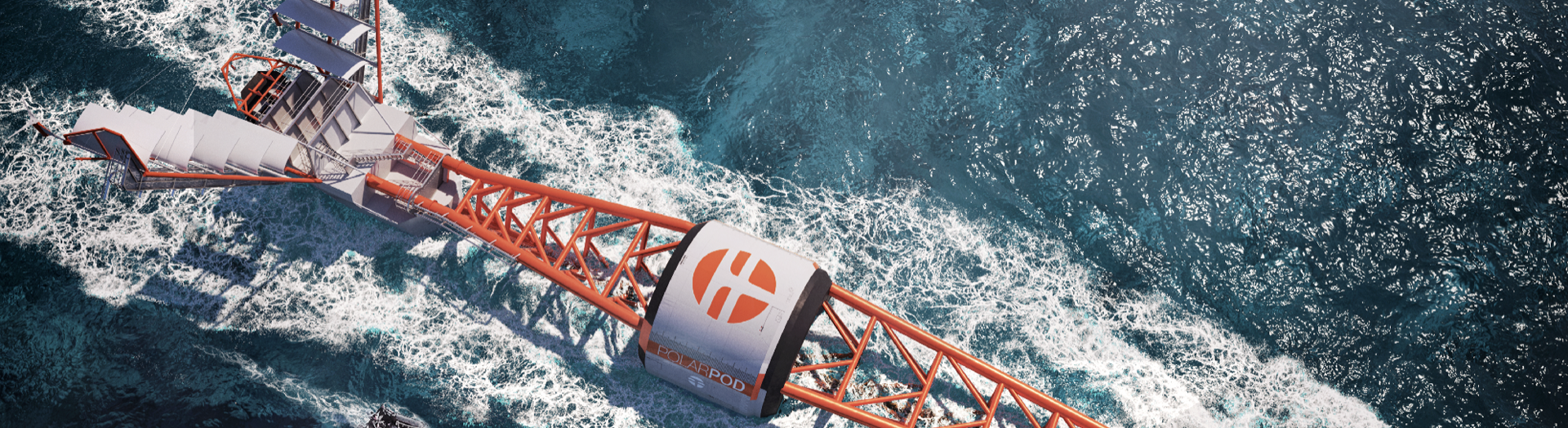
Thanks to its silent and stable design, the Polar POD is an ideal observatory for capturing these sounds. Three key areas will guide the acoustic research:
Geophysical and meteorological acoustics
Underwater microphones will allow researchers to listen to the rumblings of the Earth and the climate: icequakes, earthquakes, underwater volcanoes, and the sound of wind and rain on the ocean surface. These signals will provide new information on polar weather and the major physical processes shaping the planet.
Passive acoustics: listening to life
Without emitting any sound, hydrophones will record animal communications—blue whale songs, sperm whale clicks, and dolphin movements—as well as sounds produced by countless marine organisms. These recordings will enable the creation of an unprecedented inventory of biodiversity and the monitoring of its seasonal variations.
Active acoustics: probing the depths
By transmitting low-intensity sound pulses and analyzing the echoes, the Polar POD will map schools of fish, zooplankton, and the mysterious mesopelagic communities living at depths of 200 to 1,000 meters. This data will help improve our understanding of the role these ecosystems play in the food chain and the carbon cycle.
By combining these three approaches, the Polar POD will provide a comprehensive acoustic perspective of the Southern Ocean. These recordings will establish an essential scientific baseline, particularly relevant at a time when the noise impact of human activities is already altering marine environments worldwide.

